
Living Systems
Where Personal Transformation Meets Systemic Change
Living Systems is the wing of my work dedicated to the larger landscape of change — how people, communities, and systems adapt, recover, and evolve. Here, I share perspective drawn from years of research, fieldwork, and applied practice in personal resilience, collective resilience, and complex systems.
This space exists to offer frameworks, explore possibility, and examine what becomes available when inner transformation allows us to shape the wider world from coherence rather than wounding.
This work is woven into my speaking, consulting, and collaborative engagements at the intersection of strategic intelligence and resilience.
RESILIENCE IS MORE IMPORTANT THAN EVER
We all exist within a web of interconnected systems. The way these systems function and connect us profoundly shapes our experience of the world. How we engage with these systems reflects our capacity to be present, cultivate fulfilling lives, adapt to create meaningful change, and positively impact those around us.
Building resilience means understanding the systems at play within and around us. It’s about consciously evolving our ways of being, thinking, and doing to create new possibilities. These shifts provide the flexibility to navigate life’s ever-changing landscape, empowering us to make choices that benefit ourselves and those around us, regardless of what each moment asks of us.
As individuals, we collectively make up the human system—the foundation of the larger societal and global systems we inhabit. Our emotional, physical, and cognitive selves are both shaped by and contribute to these systems we’ve helped create.
The key is recognizing that we all have the power to change these systems, starting from within.
Each one of us is the author of our world.
The science of resilience
Resilience is the capacity to adapt, thrive, and transform in any situation. Whether we are building resilience individually, within organizations, or throughout society, it never exists in isolation. Strengthening resilience in one area creates a ripple effect, positively influencing all interconnected systems.
I apply a systems-based approach to personal resilience, grounded in science. This unique method has evolved over 20+ years of experience working across personal, ecological, infrastructural, societal, organizational, and even geohydrological levels—both in the U.S. and globally.
This approach is powerful whether we're governing ourselves or engaging with the systems around us. I invite you to explore the concepts and processes that serve as the foundation of my work and support meaningful personal and systemic transformation.
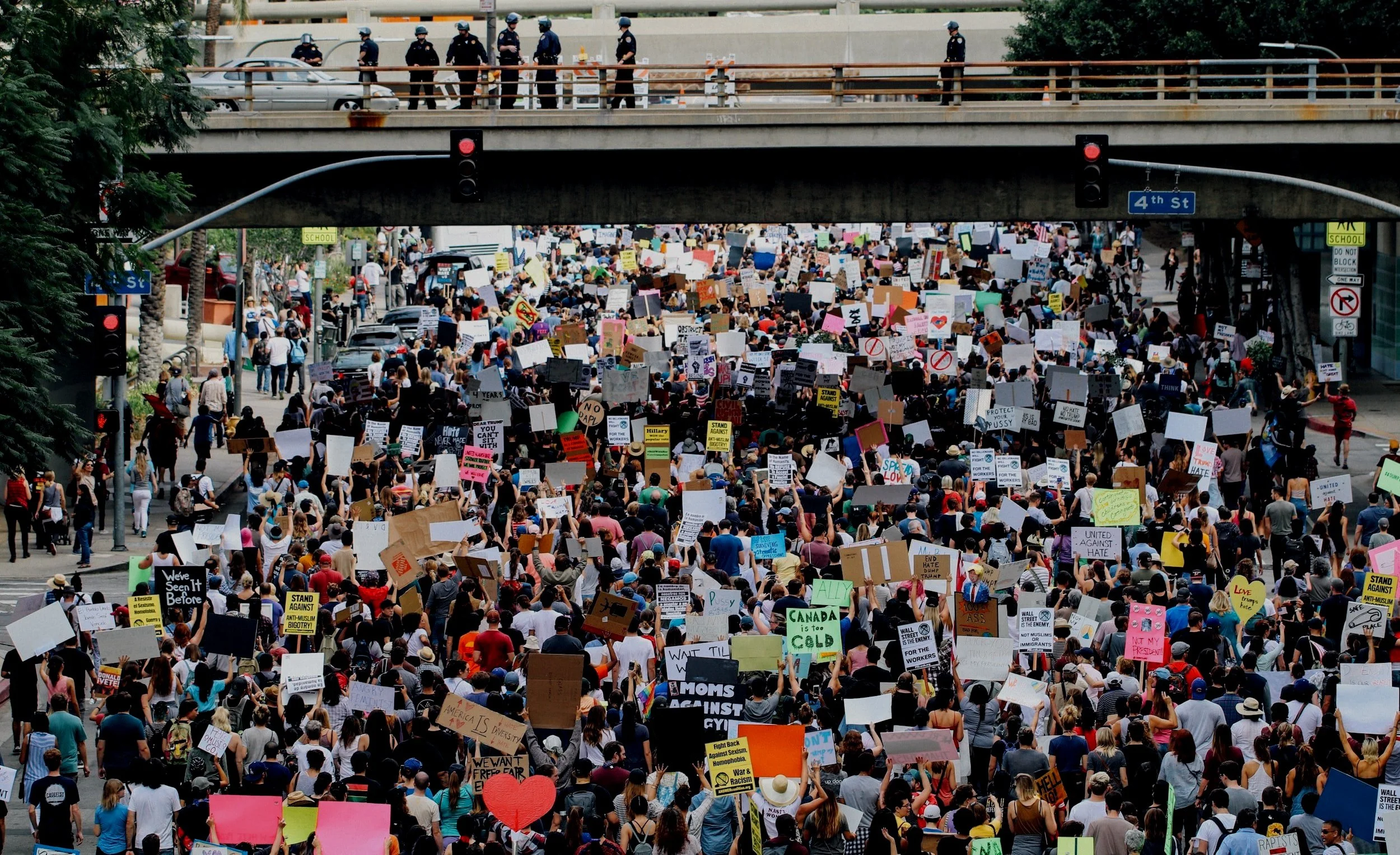
Systems Resilience is the capacity of a system to resist, adapt, absorb, and recover from disturbances or unexpected events while maintaining its core functions and structure. A resilient system can withstand and recover from a range of stressors and impacts—such as natural disasters, economic downturns, social injustice, personal losses, or the everyday challenges we face—without collapsing or experiencing major disruptions. This concept originates from the field of ecology, where interconnected systems work dynamically to thrive, no matter what challenges they face.
Our society, for example, functions like a biological ecosystem–made up of interdependent components, subsystems, and feedback loops that adapt and change in relation to one another over time. Overall success is dependent on the adaptation and evolution of these smaller subsystems, which connect directly to each of us as participants in society.
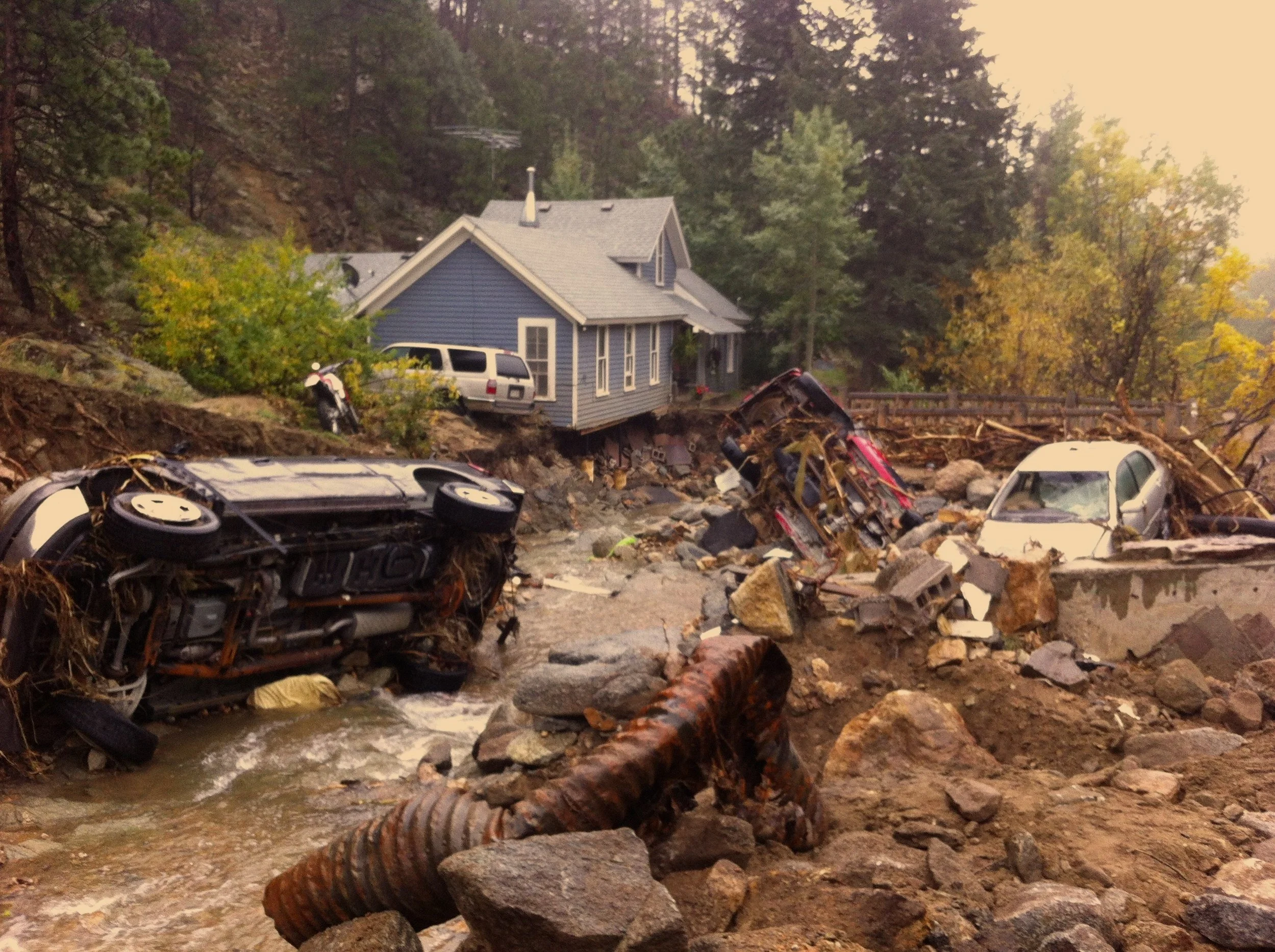
Resilient societies rely on resilient people. When we cultivate our own resilience, we not only live more aligned, empowered, and fully engaged lives—we also contribute generatively to the world around us.
Personal resilience is our ability to sense, integrate, and relate to ourselves and the world around us in beneficial ways. It exists in our Personal Ecosystem—a dynamic interplay of our history, emotional core, and recurring thoughts and actions. Our inner workings function as a system of interdependent parts, intricately woven together to shape our unique and complex life experience.
Building systems-based personal resilience is a holistic, science-backed approach to sensing, understanding, and adapting—a foundation for personal and systemic transformation. It nurtures our capacity to navigate everyday challenges and unexpected impacts, empowering us to thrive amid change. By deepening our understanding of the systems within and around us, we can fully collaborate with the world, embrace our authentic selves, and flourish in uncertainty.

By practicing personal resilience, we cultivate transformation — creating meaningful change in our lives, the systems we inhabit, and the world at large.
Resilience in people
Our unique Personal Ecosystem determines how we interact with both ourselves and the world around us. It is composed of our thoughts, feelings, behaviors, and both conscious and unconscious beliefs. It influences how we form relationships, where and how we work, what we choose for play, and the communities we are a part of. At the heart of our Personal Ecosystem is the nervous system—a network of stored memories and neural pathways that guide our behavior. This is where resilience resides.
The things we think and do regularly over time carve grooves in our neural pathways, gradually increasing the speed at which our neurons fire along those paths, making those behaviors more deeply ingrained. While these well-worn pathways can support productive behaviors, they can also entrench unhelpful patterns. These patterns limit our neuroplasticity, creating barriers to change and growth.

When we operate in counterproductive ways, our system becomes more vulnerable, particularly during times of disruption. This fragility amplifies the effects of any stress or impact we experience. The most vulnerable parts of us suffer the harshest consequences, while the rest of our system works to restore balance and protect those parts from further harm.
Is change possible? Absolutely. While it’s easier to create change during youth—since neural pathways form rapidly starting from gestation, with peak development in early childhood and continuing through our twenties—the brain retains the ability to form new pathways throughout our lives. Although this process requires more intention as we age, the wisdom gained through experience enhances our capacity for transformation.
By developing new pathways that put us in sync with our innate strengths, we can bring our Personal Ecosystem into harmony with our core self, catalyzing positive transformations in our behaviors, habits, and ways of being.

building personal resilience
Building Personal Resilience enables us to create new, beneficial and transformative pathways. Through a combination of thought-expanding tools and somatic practices (body-centered techniques), we can interrupt deeply ingrained, unhelpful neural patterns and pave the way for healthier, more constructive behaviors. This shift from outdated, limiting behaviors to new, beneficial ones leads to real, tangible resilience and transformation in our everyday lives, enabling us to navigate life with greater ease and fulfillment.
Somatic tools help calm and regulate our nervous system, enabling us to break free from automatic, activated (or triggered) emotional responses. This process moves us from reactive to aware, where we can truly connect with our deepest selves. From this softer, more genuine place, we introduce new, intentional pathways through mind-expanding practices like awareness and sense-making techniques, pattern interrupters, and story-shifting tools.

This work has changed my life. I’ve been able to shift from a historic response of reactivity and defensiveness when feeling threatened or challenged to a grounded place of curiosity and intention. This has transformed my relationships with myself and others—bringing me into greater internal alignment and empowering me with choice - the ultimate freedom. When our ingrained, unhelpful neural pathways no longer drive us, we gain the power to choose how we show up in the world.
By supporting new neural movement and integrating somatic practices, we begin to access new, beneficial pathways more naturally. Through consistent practice, we reinforce these pathways, strengthening and sustaining our resilience and capacity for transformation.
When we are personally resilient, we gain the ability to adapt and relate to the circumstances around us. We have the capacity to maintain balance in our lives and align with our true needs and desire, allowing us to act with clarity, purpose, and aliveness. This propels us forward into the future we are creating for ourselves.

From Resilience to Transformation
What began as characteristics of personal and systems resilience, drawn from decades of global research, has evolved over time—enriched by insights from neuroscience, somatics, psychology, and systems thinking. Originally a map of resilient qualities, it has grown into a practical framework for personal transformation: The 9 Pathways of Transformation.
The 9 pathways of transformation
These pathways are not checklists or achievements. Rather, they describe how transformation unfolds. They are living territories you step into over time—places within yourself that expand as you do. Each pathway represents a dimension of your personal evolution.
As you move toward or within any one of them—even just a little, and however imperfectly—transformation begins. Some pathways will feel familiar. Others will stretch you. They reach into your past, root you in the present, and move you into your future.
All of them work together to support who you are becoming. As you engage with these pathways, transformation shows up in the art you create, the systems you design, the relationships you nurture, and the success you cultivate.
These are the qualities that emerge as you evolve—and the directions we orient toward in the work:
Resilience & TRansformation IN society
Everything is connected. A resilient society functions much like a resilient person—as a living interdependent ecosystem shaped by the same core characteristics.
It operates on a larger scale with added complexity—interconnected individuals and organizations, legal and cultural norms, institutions, flows of communication and transportation, and infrastructure.
Just as personal resilience arises from our ability to understand and adapt within our Personal Ecosystems, societal resilience develops through understanding and adapting among its people, processes, and structures.
Our personal resilience has a ripple effect on the entire system.
When we nurture our personal resilience, we empower ourselves and increase the resilience of our broader societal ecosystem. In this way, the journey toward personal resilience lays the foundation for systems-level transformation—one where everyone can thrive amid change and disruption.

The 7 characteristics of resilienT societies & systems
These characteristics reflect how resilience is expressed at the systems level. They mirror the same characteristics cultivated within individuals, taking shape through groups of people and the social, institutional, and built structures they create and sustain over time.
Case Studies
What follows are selected case studies that ground the ideas above in real-world systems work. They reflect work I led as CEO of the Boulder Center of Resilience and as a Project Manager at the Institute for Social and Environmental Transition (ISET). While I am no longer directly managing projects of this nature, they are included here as both reference and context—illustrating systems-level resilience work and the kinds of complex, interconnected challenges I now engage through my strategic intelligence and resilience consultancy. Each example demonstrates how systems thinking and resilience principles can be translated into practice, revealing the dynamics of living systems, and the possibilities that emerge when transformation occurs at scale.

Resilience Coordination Plan
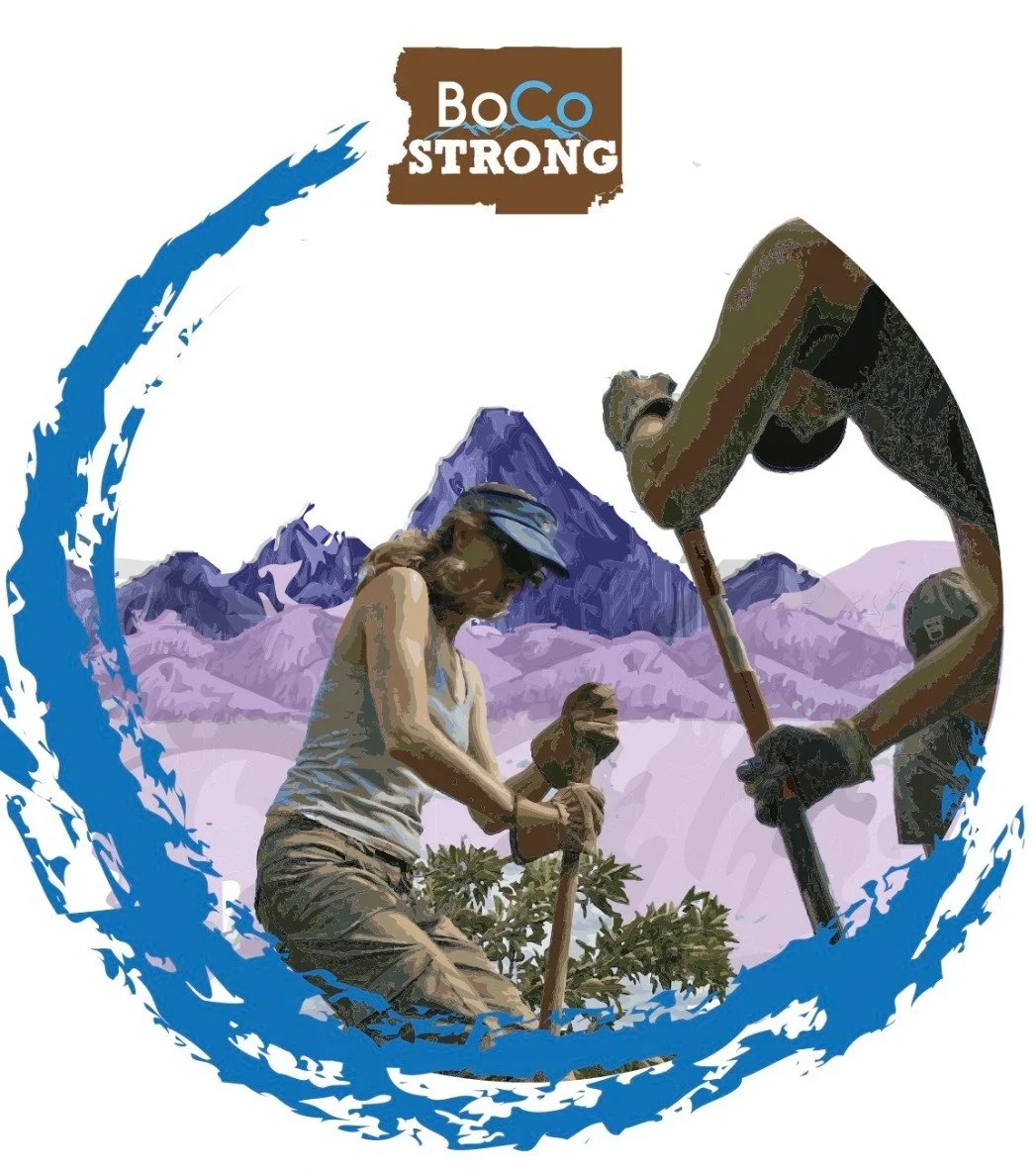
Resilience Leadership Program
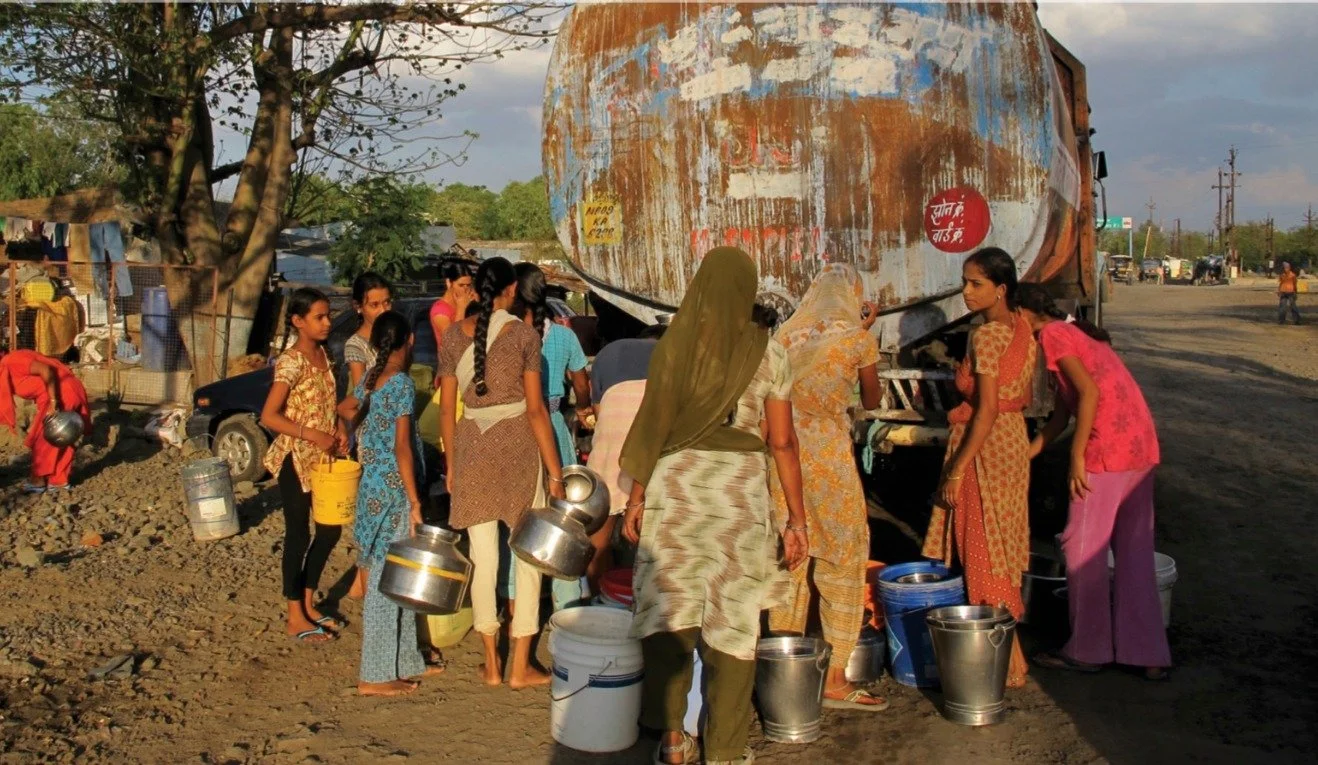
Urban Water Markets
A FINAL NOTE
The work you’ve explored here reflects how I approach complexity — at the intersection of living systems, resilience, and strategic intelligence. It’s a way of seeing and engaging with the world that honors both the depth of human experience and the realities of large-scale change.
If you're interested in consulting, collaboration, or speaking in this space, I invite you to connect.